AVAILABLE ON
02 the what
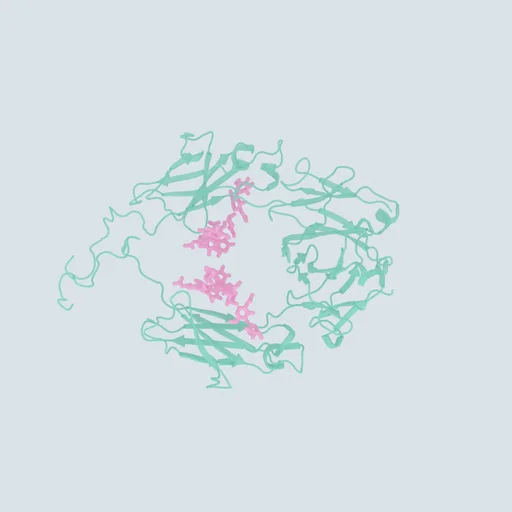
mol-blender turns your protein, DNA or RNA structure into polished images and animations using Blender and Molecular Nodes, instead of you building materials, lights and cameras by hand.
the geometry can come from your .pse, .cif or .pdb , and you can pick the style of 17 built-in presets . if you have a photo with a style that you like, recreate-render-preset skill uses it as a reference to turn it into a reusable preset.
you can render from your Claude code app, PyMOL or from a coding agent through co-pymol . you can also output a transparent PNG for slides or papers, an editable .blend scene, or animations as MP4/gif.
03 installing
the full codebase is on GitHub. there are a couple of ways to get started, depending on where you’d like to work.
note: this was only tested locally on Apple Silicon macOS, and on a cluster with NVIDIA GPUs using CUDA + Slurm + Apptainer ://
already working in PyMOL?
use co-PyMOL to connect your open PyMOL session to Claude Code, Codex or Cursor. your agent can work with the structure you have open and render it with Blender.
want to work from files in Claude Code?
use the Structure Studio plugin. this gives Claude tools to view your structures, prepare PyMOL sessions and make Blender renders.
can my coding agent install it for me?
yes! give it the GitHub link and ask it to follow AGENTS.md. tell it which setup you want, so it knows what to install.
can i use my lab’s GPUs for Blender rendering? does it have to be local GPUs?
configure your cluster GPUs in mol-blender once for both the Claude Code app and co-PyMOL. if no clusters are found, it will use your local GPUs.
point your agent to SKILLS.md →
the first rendering setup needs to download Blender and its dependencies, so give it a little time. once it’s ready, you can render locally on your own machine.
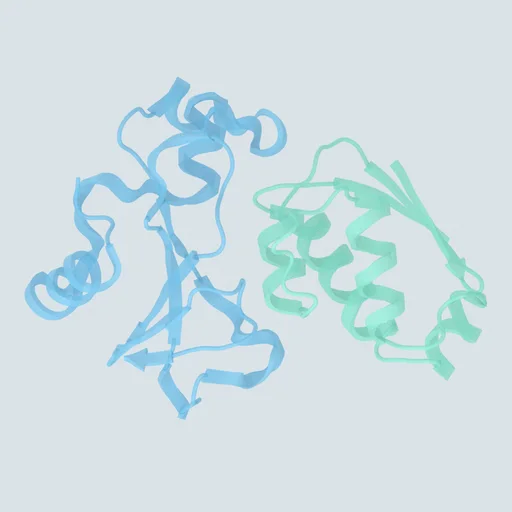
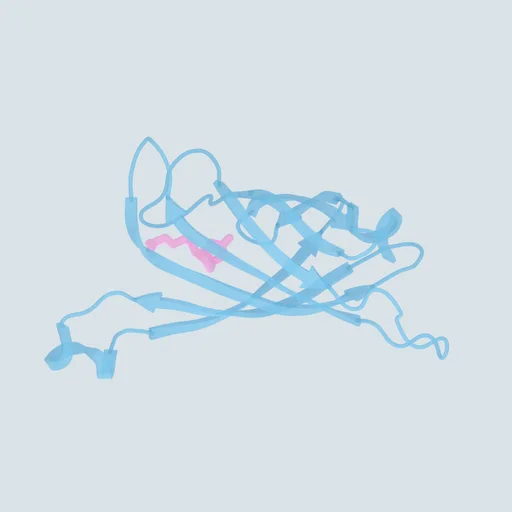
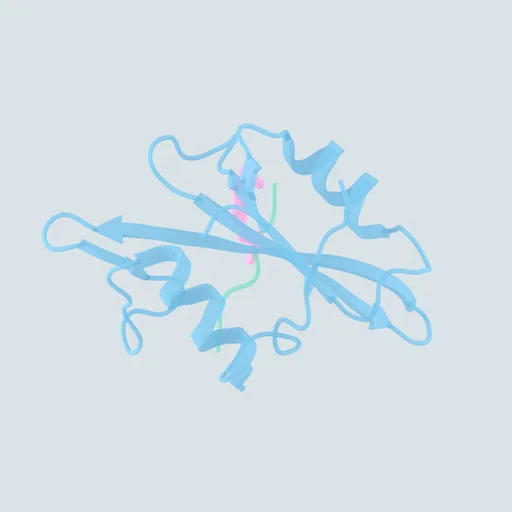
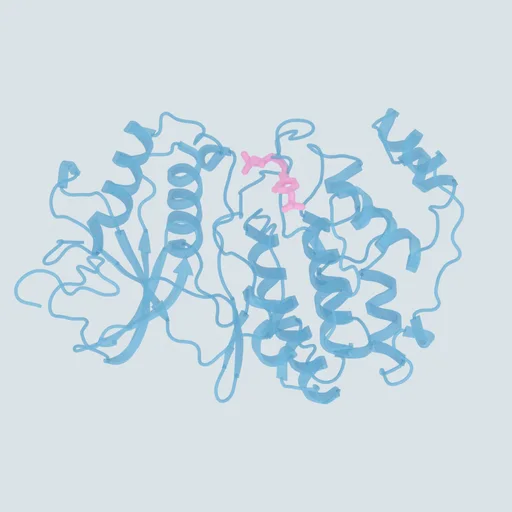
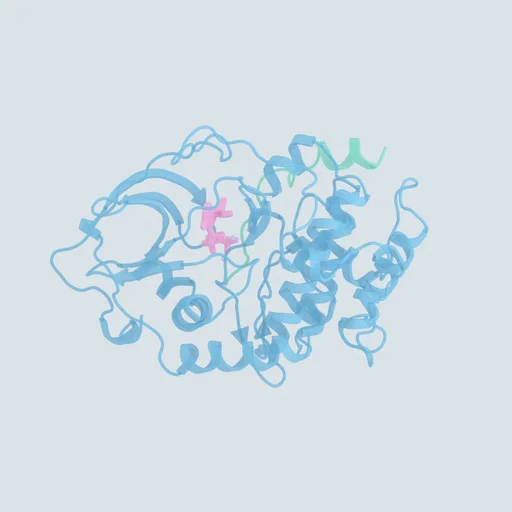
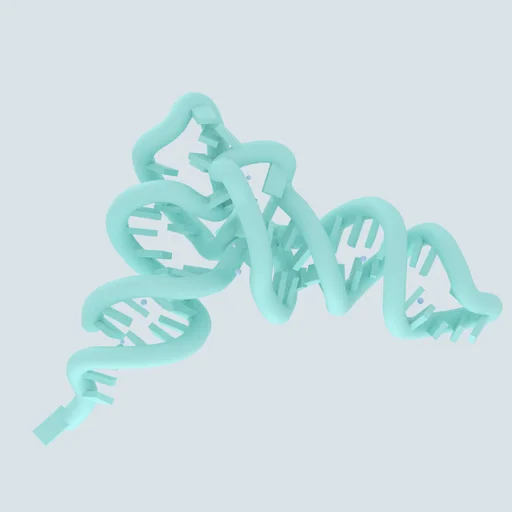
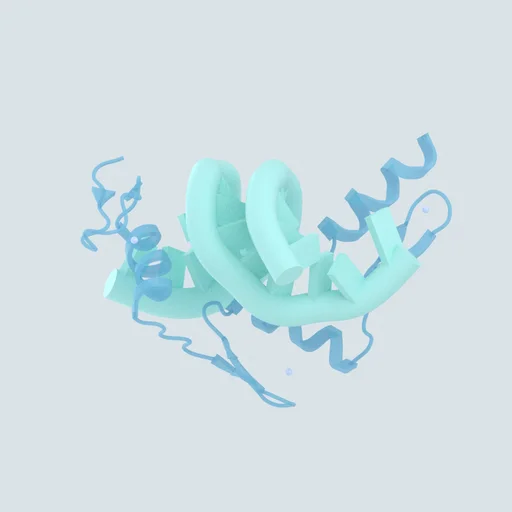
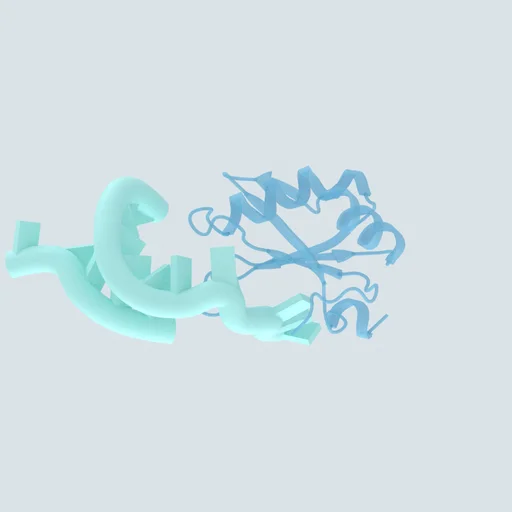
Showing 9 examples for preset 1 interface.